


What is OSB: Essential Guide to Oriented Strand Board and Its Uses
What is OSB? A Comprehensive Overview of This Versatile Building Material
Oriented Strand Board (OSB) is an engineered wood product made from compressed layers of wood strands. It is a popular building material known for its strength and cost-effectiveness. In this article, we will explain what is OSB, its manufacturing process, common uses, and how it compares to other materials like plywood.
Key Takeaways
Oriented Strand Board (OSB) is a durable, engineered wood panel made from rectangular wood strands arranged in cross-oriented layers, making it suitable for various construction applications.
The manufacturing process of OSB involves careful selection of raw materials, including debarking, drying, and adhesive application, which ensure high-quality and stable products.
OSB is recognized for its cost-effectiveness, high strength, and versatility, making it an essential material for wall sheathing, roof decking, and other construction uses, while also being favourable for environmentally sustainable practices.
Understanding OSB (Oriented Strand Board)
Oriented Strand Board (OSB) is a structural wood panel that has revolutionized the construction industry. Unlike traditional plywood, oriented strand boards are made from rectangularly shaped wood strands that are meticulously arranged in cross-oriented layers and bonded together with waterproof heat-cured adhesives. This unique composition makes OSB a versatile engineered wood panel suitable for various applications.
One of the standout features of OSB is its strength, which is largely attributed to the continuous wood fiber and the strategic alignment of the strands. The outer layers of OSB typically have strands oriented in the same direction as the panel length, enhancing its structural integrity. This engineered wood product is available in various thicknesses, typically ranging from 6 mm to 40 mm, catering to different construction needs.
Different tree species, including both softwoods and hardwoods, can be used in the production of OSB, adding to its versatility. The average density of OSB, ranging from 600 to 680 kg/m³, influences its weight and structural characteristics, making it a reliable choice for load-bearing boards.
Whether you are using OSB for wall sheathing, roof sheathing, roof decking, or subflooring, it offers consistent quality and performance, making it an indispensable sheet material in modern construction projects.
The Manufacturing Process of OSB
The journey of OSB from raw material to a finished product begins with the careful selection and preparation of logs. The first step is debarking the logs to remove unsuitable bark, ensuring that only the best quality wood is used. These logs are then chipped into strands using a specialized knife ring flaker, creating the rectangular wood strands that are the building blocks of OSB.
Once the wood strands are produced, they undergo drying in a drum dryer to achieve the desired moisture content. This drying process is crucial as it prepares the strands for the next stages of production. The strands are then sorted into different sizes, which will form the various layers of the OSB panel. During the gluing phase, adhesive is evenly distributed onto the strands, ensuring that they bond effectively during the pressing stage.
The strands are arranged with the surface layers aligned in the direction of production, while the central layer is oriented perpendicular. This cross-oriented layering is what gives OSB its strength and stability. In a hot press, the mats are subjected to heat and pressure. This process cures the adhesive and forms the OSB board.
After pressing, the panels are trimmed, conditioned to reach suitable storage temperatures, and finally calibrated to ensure surface refinement and consistent quality. This meticulous manufacturing process, involving heat, pressure, and precise alignment, results in an engineered wood product that meets stringent performance standards.
The final OSB panels are cut to smaller sizes for retail distribution, ready for use in various construction and furniture industries. This process not only ensures the production of high-quality wood-based panel products but also highlights the innovative techniques employed by OSB manufacturers.
Key Uses of OSB in Construction
OSB has become a cornerstone in modern construction due to its versatility and strength. One of the primary uses of OSB is in wall sheathing, where it provides structural support and a protective barrier, enhancing the overall stability of buildings. Its superior dimensional stability and strength make it an ideal choice for roof decking, ensuring that roofs can withstand various environmental stresses.
In addition to wall and roof applications, OSB is frequently used for subflooring. The sturdy nature of OSB panels, particularly the wooden cladding tongue and groove variety, makes them a reliable choice for creating strong and stable subfloors. OSB’s ability to handle heavy loads without compromising structural integrity makes it a preferred material for load-bearing applications in construction projects.
Beyond these traditional uses, OSB is also employed in the construction of structural insulated panels (SIPs), which are used to build energy-efficient homes. These panels combine OSB with insulating foam cores, providing excellent thermal performance and structural strength. The versatility of OSB, coupled with its ease of use, makes it an essential material in various building projects, from residential homes to commercial structures.
Various Grades of OSB Boards
Understanding the different grades of OSB is crucial for selecting the right type for specific applications. European standards specify four primary grades of OSB boards. These are OSB/1, OSB/2, OSB/3, and OSB/4. Each grade is classified according to specific performance standards tailored to its intended use.
OSB/1 is designed for general use in dry environments, while OSB/2 is crafted for load-bearing applications in dry conditions. OSB/3, the most commonly used grade in construction, is suitable for load-bearing applications in humid environments, providing adequate moisture resistance.
OSB/4, on the other hand, is designed for heavy-duty load-bearing uses in humid conditions, offering enhanced durability and higher moisture resistance. Selecting the appropriate grade ensures safety, functionality, and longevity of the OSB boards in various construction projects.
Moisture Resistance and Durability
OSB exhibits several important characteristics in terms of moisture resistance and durability. Generally, OSB is not waterproof unless specifically treated and labeled as such. However, properly treated OSB can tolerate moderate moisture and is suitable for outdoor applications, provided there is adequate ventilation and drainage to prevent moisture buildup.
One of the challenges with OSB is its tendency to swell more significantly than plywood when exposed to moisture, and it does not return to its original thickness once dried. This can potentially reduce its structural strength if not properly managed. To mitigate this risk, sealing the edges of OSB panels is crucial, as these areas are most susceptible to moisture damage.
Regular inspections for water damage, such as swelling or discoloration, are essential for maintaining the structural integrity of OSB. Additional protective treatments can enhance the moisture resistance of OSB panels, making them more durable for outdoor use. Choosing the right OSB type according to climate conditions and ensuring proper treatment and maintenance maximizes its durability.
Common Uses of OSB Boards
OSB has a wide range of applications in construction and interior work, including:
Wall Sheathing – OSB is commonly used as structural sheathing for both interior and exterior walls.
Roofing – OSB boards provide a solid base for roofing felt, tiles, or shingles.
Flooring – OSB makes an excellent subflooring material beneath carpet, tiles, or vinyl.
Shed Builds and Garden Rooms – Popular for shed walls, floors, and roofs due to its affordability and strength.
Loft Flooring – Ideal for creating safe, stable loft floors in storage areas.
Furniture Frames – OSB is sometimes used in budget furniture construction and shelving.
OSB vs Plywood: Which Is Better?
While both are engineered wood products, OSB and plywood differ in their structure, cost, and performance:
Strength: OSB has a more uniform strength and is great for large spans.
Moisture Resistance: OSB 3 is suitable for humid conditions, but plywood edges resist water slightly better.
Cost: OSB is generally cheaper than plywood, making it ideal for budget-conscious builds.
For most structural applications like sheathing and subfloors, OSB 3 is more than suitable and a cost-effective choice.
Several factors come into play when comparing OSB to plywood, including cost, strength, and appearance. One of the primary advantages of OSB is its cost-effectiveness. OSB is generally more economical than plywood, offering a lower price per square foot. This cost efficiency helps reduce waste and energy consumption in construction projects.
OSB and plywood provide comparable strength, making both suitable for various applications. However, OSB has a higher screw-holding capacity, which can enhance structural integrity in certain scenarios. The uniform structure of OSB contributes to its overall strength and rigidity, making it a reliable choice for load-bearing applications.
Plywood typically offers a more refined appearance with its veneer layers, whereas OSB has a rougher texture. OSB has a natural look that can be customized with stain or paint to suit different design preferences. Additionally, OSB is generally heavier than plywood, which may influence handling and installation considerations.
Another practical advantage of OSB is that it can be produced in larger panel sizes compared to plywood, potentially reducing the number of seams in a construction project.
Fire Resistance of OSB Panels
Fire resistance is a critical consideration in construction, and while OSB panels are not entirely fireproof, they can exhibit substantial fire resistance properties. OSB panels can be treated with a patented fire-resistant finish, enhancing their fire safety and helping to limit the spread of flames on the surface.
This treatment allows treated boards to achieve a high classification in fire reaction evaluations, providing a cost-effective fire resistance comparable to other building materials.
Working with OSB: Tips and Best Practices
Successfully working with OSB requires an understanding of its advantages and potential challenges. When working with OSB, common issues can arise. These include swelling, buckling, splitting, and delaminating. To prevent these issues, it is important to maintain equilibrium moisture content and properly seal the panel edges.
Employing the right tools and techniques ensures a smooth installation process. For instance, using sharp blades and high-quality fasteners can help minimize splitting and delaminating. Understanding these best practices can help you make the most of OSB in your construction projects.
Innovative Uses of OSB Beyond Construction
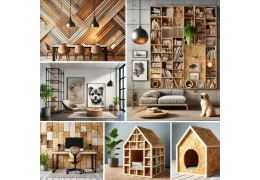
OSB’s versatility extends beyond traditional construction applications. In interior design, OSB is commonly used for creating cabinets and various types of furniture, offering a unique and stylish look. DIY projects enthusiasts often select OSB for projects such as bookshelves, side tables, and custom frames due to its distinctive appearance and ease of use.
The aesthetic appeal of OSB also makes it a popular choice for interior wall accents, adding a rustic charm to spaces. Additionally, OSB is suitable for exterior trim and siding, providing a durable alternative to traditional materials.
Its robustness makes it an excellent choice for packaging, including industrial containers designed to protect products during transportation.
Environmental Impact and Sustainability
OSB is often celebrated for its environmentally friendly attributes. The production of OSB utilizes wood from fast-growing trees, minimizing the land required for timber merchants production. This process can also make use of smaller trees and scrap wood, further reducing waste. Impressively, up to 80% of each tree can be utilized in OSB manufacturing, showcasing its efficiency.
The durability of OSB contributes to environmental sustainability by lowering the frequency of material replacements. Additionally, the adhesives used in OSB production are increasingly incorporating phenol-formaldehyde, which is considered less harmful to the environment. These factors combine to make OSB a sustainable and responsible choice for modern construction projects.
Benefits of Using OSB Boards
Budget-Friendly – OSB boards offer excellent performance at a lower price point.
Sustainable – Made from fast-growing, small-diameter wood, OSB is an eco-conscious option.
Versatile – Suitable for walls, floors, roofs, and temporary structures.
Readily Available – Easy to source in standard sizes and thicknesses.
Frequently Asked Questions
What is OSB commonly used for?
OSB is commonly used for load-bearing applications in construction, including roof, wall, and floor sheathing. Its favorable mechanical properties have made it more popular than plywood, dominating the North American structural panel market.
What are the disadvantages of OSB?
OSB's disadvantages include the necessity for sealing at cuts to maintain water resistance, as it can swell and absorb moisture. Additionally, it typically takes longer to dry out than plywood and is thicker and heavier, which may be viewed negatively in some contexts.
Is OSB better than plywood?
OSB is often considered better than plywood due to its lower cost, uniformity, and environmental advantages, including its use of smaller trees and scraps. Furthermore, OSB does not delaminate, making it a more durable option in certain applications.
What is OSB made of?
OSB is composed of rectangular wood strands arranged in cross layers and bonded with waterproof heat-cured adhesives. This structure enhances its strength and durability for various applications.
Is OSB waterproof?
OSB 3 is moisture-resistant but not waterproof. It can withstand humid conditions and temporary wetting but should be sealed or protected for prolonged exposure.
Can OSB be painted or sealed?
Yes, OSB can be painted or sealed with a suitable primer and topcoat. This helps improve durability and appearance.
Is OSB suitable for outdoor use?
OSB 3 can be used outdoors if adequately protected with cladding, paint, or weatherproofing materials.
Can OSB be used for loft flooring?
Absolutely. OSB is commonly used for loft boards and storage areas due to its strength and affordability.
What thickness OSB board do I need?
For flooring or roofing, 18mm OSB is typically recommended. For wall sheathing, 11mm or 12mm may be sufficient.
Summary
Throughout this exploration of OSB, we have uncovered the many facets that make it a standout material in construction and beyond. From its robust manufacturing process to its diverse applications and environmental benefits, OSB has proven itself to be a reliable, versatile, and sustainable option for builders and DIY enthusiasts alike.
As you embark on your next project, consider the advantages that OSB offers. Whether you are constructing a new home, designing custom furniture, or seeking an environmentally friendly building material, OSB stands ready to meet your needs. The future of construction is bright with OSB, and now, you are equipped with the knowledge to harness its full potential.
Need high-quality OSB boards for your next build? Check out our full selection of OSB Boards — available in multiple thicknesses and ready for fast delivery across the UK. Contact us for more information.
Posted in: Article
Related products

Oak Stairs – Solid Oak Stair Treads UK (Unfinished & Cut to Size)
Price: £375.00
Unfinished oak stair treads & landing panels – solid wood, made to...

Solid Oak Flooring 120 mm x 20 mm Tongue & Groove
Price: £120.00
20mm solid oak flooring with tongue & groove profile. 120mm wide boards,...


Timber Joists 9x2 - 47 x 225mm x 6m
Price: £0.00
9x2 timber joists (47 x 225mm x 6m) – C24 graded and kiln-dried for strength...




Tongue and groove cladding V-Jointed 19 x 94 x 2400mm
Price: £27.92
This product is a high-quality, innovative solution that is designed to meet...





Timber Sawn Board 200 x 50 x 2400mm (8″ x 2″ x 2,4m)
Price: £0.00







Wooden Gravel Board | Timber Protection for Fencing
Price: £25.00


White MDF Board | Double-Sided Laminated MDF Sheets
Price: £0.00
MDF Board | Double-Sided Laminated MDF Panels
Price: £0.00


MDF Cut to Size Near Me | 12mm MDF Sheets
Price: £0.00


Moisture Resistant MDF | 18mm MDF Boards
Price: £0.00
MDF Sheets | Moisture Resistant MDF Boards 19mm
Price: £0.00

OSB Board 18mm | Sterling Board for Bulk Orders
Price: £1,260.00

22mm OSB Board | OSB 3 Sheets | Bulk Orders
Price: £1,222.20

15mm OSB Board | Buy OSB 15mm Sheets in Bulk
Price: £1,688.00

10mm OSB Sheets | OSB 3 Boards in Bulk
Price: £1,710.00

12mm OSB Board | Sterling Board for Bulk Orders
Price: £1,624.00

8mm OSB Board | OSB 3 Sheets in Bulk
Price: £1,698.00
Floor Boards 22mm | OSB 3 Tongue and Groove Flooring
Price: £1,294.00
Tongue and Groove Flooring | 12mm OSB 3 Boards
Price: £1,780.00

25mm OSB Tongue & Groove Flooring | OSB Floor Boards
Price: £1,520.00

OSB Flooring |15mm Tongue & Groove OSB 3 Boards
Price: £1,780.00
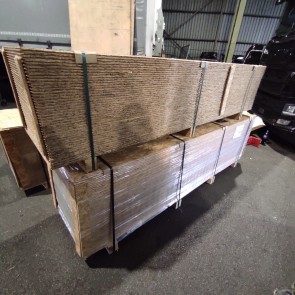
OSB Board 18mm | Tongue & Groove Flooring Sheets
Price: £1,796.00
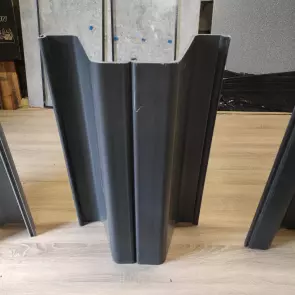
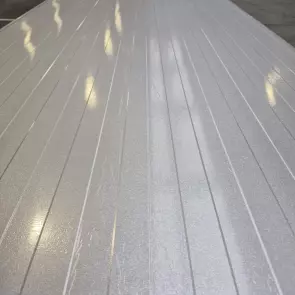
PIR Insulated Wall Sandwich Panel 50–120mm
Price: £0.00
PIR sandwich boards, or structural insulated panels (SIPs), consist of a...
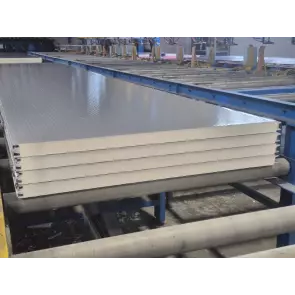
Hidden Fix PIR Wall Sandwich Panel 60–120mm
Price: £0.00
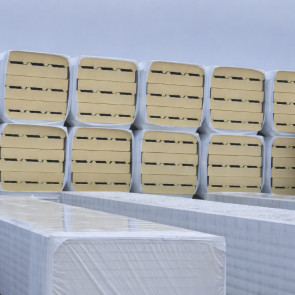
PIR Insulated Roof Sandwich Panel 50-120mm
Price: £0.00
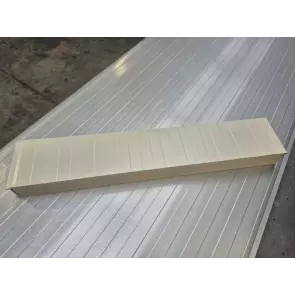
PIR Cold Storage Sandwich Panel 180-200mm
Price: £0.00

Metal roofing sheets corrugated roofing Polyester / Shine
Price: £1,664.00

Metal roofing sheets Granite® HDX
Price: £2,462.00

Metal roofing sheets Polyester Mat
Price: £1,721.40

Metal roofing sheets SHIMOCO
Price: £2,018.00
Sample of Metal Roofing – Choose Your Finish
Price: £15.00
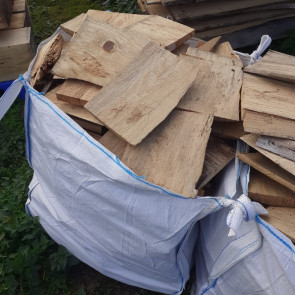
Logs for Sale Near Me – English Forestry Firewood
Price: £100.00

Bark Chippings Bulk Bag
Price: £100.00
Wood Chippings Bulk Bag
Price: £100.00
Related posts
 Quality Wooden Garages for Safe Storage Solutions
Hand built by our team, our wooden garages come in a variety of styles, so you can easily find the best match for...
Read more Wooden Garage Doors: Stylish, Secure and Built to Last from Doors and worktops Ltd Wooden garage doors are a popular choice when building or upgrading a garage, offering a unique blend of character...
Read more Explore the Tranquility of Garden Rooms A garden room is a peaceful sanctuary and for many, a refuge from the main house, especially if you have a busy...
Read more Laminate Kitchen Worktops and Island: A Blend of Aesthetics, Durability, and Functionality In the realm of modern interior design, laminate kitchen worktops have emerged as a popular choice for homeowners and...
Read more Planning the perfect garden gazebo ideas: winter dreams, summer reality outdoor oasis As a leading supplier of bespoke timber products, Doors and Worktops Ltd takes pride in introducing a stunning...
Read more