




Best Tips for Insulating Doors | Cut Heat Loss & Energy Bills
Importance of Front Door Insulation
Door insulation is a game-changer for any home. Well-insulated doors are essential for reducing heat loss, improving energy efficiency, and enhancing indoor comfort. Effective door insulation not only minimizes energy consumption but also leads to significant financial savings on energy bills and contributes to a greener environment by reducing greenhouse gas emissions.
Air leaks in doors can significantly contribute to energy loss, emphasizing the need for proper insulation.
Preventing heat loss
Insulated doors are a frontline defense against heat loss, playing a crucial role in maintaining a stable indoor temperature year-round. Insulated doors drastically reduce drafts and stabilize room temperatures by blocking cold air and retaining warm air.
This stability translates to lower heating and cooling expenses, as your heating system won’t need to work as hard to maintain a comfortable environment. Investing in good door insulation can significantly lower heating and cooling costs and enhance overall energy efficiency.
Proper door insulation reduces heat loss and cuts heating and cooling costs.
Look for air leaks around the door frame, keyholes, and letterboxes.
Use weather stripping, door sweeps, and foam insulation to improve energy efficiency.
Choose the right material: composite doors, aluminium doors, wooden doors, or uPVC.
Regular inspections and cleaning help maintain insulation performance over time
Reducing energy bills
One of the most compelling reasons to insulate doors is the financial savings on energy bills. Proper door insulation prevents heat transfer, ensuring efficient use of energy for heating and cooling. This leads to lower heating and cooling costs due to reduced energy wastage.
Enhancing home comfort
Beyond financial savings and energy efficiency, door insulation significantly enhances home comfort. Proper insulation reduces drafts and regulates indoor temperatures, creating a consistent and comfortable living environment. Weather stripping and door sweeps can seal gaps around doors, preventing uncomfortable drafts.
Applying foam insulation to larger gaps and cracks further improves thermal performance. Insulated door curtains or letterbox draught excluders can also prevent cold air from entering, ensuring a cozy home.
Identifying Air Leaks in Doors
Identifying where air leaks occur is crucial before insulating doors effectively. Front doors are particularly susceptible to air leaks, which can lead to significant heat loss and reduced energy efficiency.
Knowing common areas for leaks and how to test for them helps address these issues and improve insulation.
Common areas for leaks
Air leaks are often found in gaps around door frames, keyholes, and letterboxes, where dust can accumulate. Visible daylight around doors or windows clearly indicates a gap in air leakage.
These leaks can significantly impact your home’s energy efficiency, making it important to check these common areas regularly.
Simple tests for detecting leaks
Various simple tests can help detect air leaks. One method is the candle test, where a candle near potential leak sites flickers, indicating airflow. An incense stick can also be used to observe smoke movement around suspected leak areas.
A damp hand can help identify drafts by feeling cooler air against the skin. The dollar bill test involves placing a bill in the door frame; if it pulls out easily when the door is closed, there’s likely a leak. Identifying these leaks is crucial for maintaining energy efficiency and saving money.
Effective Methods for Insulating Doors
After identifying air leaks, the next step is to insulate your doors effectively. Techniques like weather stripping, door sweeps, and foam insulation can enhance door insulation.
These methods help seal gaps and prevent heat loss, improving the overall thermal performance of your front door.
Weather stripping
Weather stripping involves applying materials around door edges to prevent air leaks and improve thermal efficiency. This technique involves filling gaps around doors, creating a thermal barrier against temperature fluctuations.
Styles of weather stripping include adhesive foam and V-strip, each suited for different needs. Eliminating gaps with weather stripping significantly reduces heat loss and improves insulation.
Door sweeps
Door sweeps are another effective method for insulating doors. They:
Are installed at the bottom of doors
Block drafts and prevent heat loss
Create a seal at the bottom
Enhance energy efficiency and indoor comfort.
This addition can significantly reduce draught insulation and improve thermal performance.
Foam insulation
Foam insulation:
Fills larger gaps and cracks around doors, creating a robust barrier against air leaks.
Provides a tight seal, enhancing energy efficiency by preventing heat transfer.
Effectively seals large openings, improving thermal performance and reducing drafts.
Foam insulation is excellent for improving overall door insulation.
Choosing the Right Insulated Doors
Choosing the right specific door type is crucial for maximizing energy efficiency and comfort. Several types of insulated doors are available, each offering unique benefits.
Understanding the differences between composite, aluminium composite, wooden, and uPVC doors helps make an informed decision based on your needs and preferences.
If you're considering a full upgrade, explore different styles like bespoke wooden garage doors, sliding door, or modern front door to enhance the look and functionality of your home.
Composite doors
Composite doors combine various materials in a combination, including insulating foam, for enhanced performance. They typically feature a solid timber core and high-density insulating foam, ensuring energy efficiency and security.
Offering a blend of strength, durability, and energy efficiency, composite doors are a popular choice. Besides energy savings, they provide excellent security and insulation performance.
Aluminium composite doors
Aluminium composite doors, known for their sleek aesthetic, offer excellent thermal performance, suitable for modern homes. These doors combine a modern look with high thermal efficiency due to their unique elements and materials.
They are an excellent choice for a modern appearance and style without compromising energy efficiency.
Wooden doors
Wooden doors are naturally insulating and offer a timeless aesthetic that complements various home styles. Known for their natural appeal, wooden doors can be insulated to enhance thermal performance.
Despite their insulation effectiveness and aesthetic benefits, they may require more maintenance compared to other materials. Wooden doors are ideal for those who value a classic look and good insulation properties.
uPVC doors
uPVC doors offer several advantages:
Energy-efficient
Low-maintenance
Provide excellent insulation against heat loss
Known for excellent thermal insulation
Require minimal upkeep
Resist frequent repairs compared to traditional doors
uPVC doors combine energy efficiency and low maintenance, making them a practical and cost-effective choice.
Additional Insulation Tips for Front Doors
Beyond primary insulation methods, several additional tips can enhance the insulation of your front door. These include keyhole covers, letterbox draught excluders, and insulated door curtains to prevent drafts and improve thermal efficiency.
Keyhole covers
Covering the keyhole cover helps keep heat from escaping, enhancing overall door insulation. The keyhole cover is covered to improve efficiency.
Made from various materials like metals and wood, keyhole covers are an easy addition to improve energy efficiency.
Letterbox draught excluders
A draught excluder for the letterbox prevents cold air from entering and warm air from escaping. Letterbox covers with brush features block cold air, significantly minimizing heat loss around the letterbox.
This addition enhances front door insulation and overall energy efficiency.
Insulated door curtains
Insulated door curtains add an extra layer of thermal protection, increasing energy efficiency. Blocking drafts and retaining heat, these curtains help maintain a stable indoor temperature and enhance comfort.
Proper installation ensures they cover the entire door and fit snugly, with regular checks for wear and tear and cleaning to maintain effectiveness. To install properly, follow these guidelines.
Professional vs. DIY Door Insulation
For door insulation, you can choose between professional installation and DIY methods. Understanding the pros and cons of each approach helps make an informed decision based on your needs and confidence level.
When to call a professional
Hire a professional for larger jobs or if uncertain about completing the insulation yourself. Obtaining multiple quotes from installers allows you to compare services and pricing for small jobs.
A reputable professional enhances the quality and durability of insulation work, ensuring effective door insulation.
DIY door insulation kit
A DIY door insulation kit is a cost-effective solution for those who prefer a hands-on approach. Basic tools for installation include a utility knife, caulk gun, and measuring tape.
The right tools are essential for DIY success, helping measure, cut, and seal insulation materials effectively to ensure a proper fit and minimize air leaks.
Maintenance Tips for Insulated Doors
Regular maintenance ensures that insulated doors continue to perform effectively. Regular inspections and proper cleaning can extend the lifespan of insulated doors and maintain their energy efficiency.
Regular inspections
Regular inspections of door insulation are crucial for maintaining effectiveness and energy efficiency. During inspections, look for signs of wear like brittle weather stripping, cracks, and loose seals. Identifying wear and damage early helps prevent further deterioration of insulation materials.
Routine checks on door insulation offer long-term benefits by enhancing performance and saving energy costs. Regular inspections ensure doors remain secure, durable, and efficient year-round.
Cleaning and care
Keeping insulated doors clean maintains their functionality and appearance. Use mild detergents to avoid damaging door surfaces. Clean doors regularly using mild soap and a soft cloth to maintain both appearance and energy efficiency.
Regular cleaning maintains door appearance and functionality, ensuring long-lasting durability and energy efficiency.
Benefits of Proper Door Insulation
Proper door insulation offers numerous benefits, including energy savings, noise reduction, and increased home value. Insulating your doors creates a more energy-efficient, comfortable, and valuable home.
Energy savings
Insulating doors is crucial for energy efficiency, helping to maintain comfortable indoor temperatures and reduce energy consumption. Proper door insulation significantly lowers energy bills by minimizing the amount of energy needed for heating and cooling. Door insulating is an essential practice for achieving these benefits.
Insulated doors effectively prevent heat from escaping, ensuring a stable and comfortable indoor environment. Overall, proper door insulation not only enhances home comfort but also leads to financial savings and improves energy efficiency.
Noise reduction
Insulated doors provide some degree of soundproofing, enhancing indoor comfort. By minimizing sound transmission, insulated doors contribute to a quieter indoor environment. This noise reduction can significantly decrease the amount of external noise entering a home, providing a more peaceful living space.
Proper insulation helps create sound insulation for a serene and peaceful indoor environment, making your house a more enjoyable retreat.
Increased home value
Energy-efficient doors are a valuable asset and can contribute to higher resale value, especially for buyers focused on reducing long-term energy costs.
By boosting property value, insulated doors make your home more attractive to potential buyers. In contemporary homes, energy-efficient features are highly sought after, and insulated doors can significantly elevate your home’s marketability.
Summary
In summary, insulating your doors is a wise investment that offers numerous benefits, including reduced energy bills, enhanced home comfort, noise reduction, and increased property value. By understanding the importance of door insulation, identifying air leaks, and using effective insulation methods, you can create a more energy-efficient and comfortable living environment. Whether you choose professional installation or a DIY approach, maintaining your insulated doors through regular inspections and cleaning will ensure long-term effectiveness. Don’t wait—take action today to insulate your doors and enjoy the multitude of benefits that come with a well-insulated home.
Frequently Asked Questions
What are the benefits of insulating doors?
Insulating doors provides substantial benefits including reduced heat loss, lower energy bills, enhanced comfort, noise reduction, and increased property value through improved energy efficiency. Investing in door insulation is a practical choice for any homeowner seeking to enhance their living environment.
How can I detect air leaks in my doors?
You can effectively detect air leaks in your doors using the candle test, incense stick test, or dollar bill test, which pinpoint areas where air is escaping. These methods are straightforward and help ensure your home remains energy efficient.
What materials are best for door insulation?
For optimal door insulation, consider using weather stripping, door sweeps, and foam insulation to effectively seal gaps and enhance thermal performance. These materials can significantly minimize heat loss.
Should I hire a professional for door insulation or do it myself?
If you're unsure about your skills or dealing with a larger project, it's best to hire a professional for door insulation. For smaller tasks, a DIY insulation kit can be an effective and budget-friendly option.
How do I maintain my insulated doors?
To maintain your insulated doors effectively, conduct regular inspections for wear and tear and clean them with mild detergents. This will help ensure their long-term energy efficiency and durability.
Looking for High-Quality Front Doors?
Whether you're upgrading your home or working on a new build, we've got you covered. Our stylish, insulated front doors are available in both composite and timber finishes — with standard sizes or custom-made options.
We deliver to Bishop’s Stortford, Stansted, Dunmow, Cambridge – and across the UK.
Contact us today for a custom quote and create a warmer, more efficient entrance.
Posted in: Article
Related products

Fitted Wardrobe made to measure white bedroom furniture
Price: £4,800.00

Customized Wardrobe Near Me | Solid Oak Double Doors
Price: £1,650.00


Reception Desk Shop Counters Custom Furniture
Price: £0.00
Elevate Your Space with Custom Furniture Solutions Made to measure Shop Counters

DIY Bespoke Kitchen Unit
Price: £0.00

Countertops Near Me – Stylish and Durable Worktops
Price: £950.00
Countertops Near Me – Find expert kitchen worktop fitters near me and worktop...

Custom Wooden Crates for Air, Road & Sea Freight
Price: £662.00
Slatted Wardrobe Doors – Oak MDF Vertical Slatted Panels
Price: £170.00

Kitchens Supplied and Fitted in Stansted & Bishop’s Stortford
Price: £7,200.00
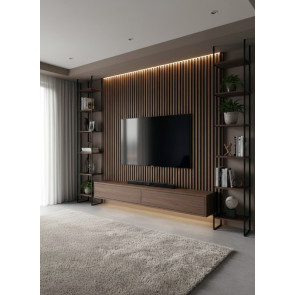
Slatted Wall Panels – Oak MDF Vertical Slatted Panels
Price: £145.00



Bespoke Wooden Front Door – Green Finish
Price: £2,500.00

Bespoke solid wooden front door with glass and frame dark green
Price: £2,500.00


New Georgian front door wooden isolated
Price: £2,500.00

New front door bespoke solid isolated light grey
Price: £2,500.00

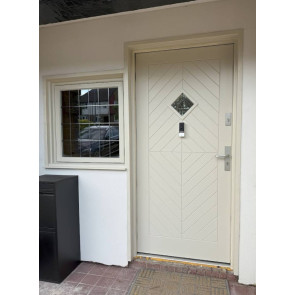
External Front Door with Diamond Glass – Solid Laminated Timber
Price: £2,500.00

Wooden double front doors with windows bespoke
Price: £1,750.00


Ledge and Brace Z-Brace Sliding Barn Door – Alder wood
Price: £350.00


Sliding Wooden Door Barn Z Brace Single Thickness: 45mm
Price: £350.00

Double Sliding Doors Pine Barn Z Brace Thickness: 45mm
Price: £662.50

Barn Door Sliding | Rustic Farmhouse Door with X-Brace
Price: £350.00

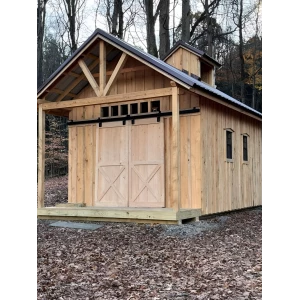
Sliding Garage Doors Farm Style
Price: £662.50

Related posts
 Quality Wooden Garages for Safe Storage Solutions
Hand built by our team, our wooden garages come in a variety of styles, so you can easily find the best match for...
Read more Wooden Garage Doors: Stylish, Secure and Built to Last from Doors and worktops Ltd Wooden garage doors are a popular choice when building or upgrading a garage, offering a unique blend of character...
Read more Explore the Tranquility of Garden Rooms A garden room is a peaceful sanctuary and for many, a refuge from the main house, especially if you have a busy...
Read more Laminate Kitchen Worktops and Island: A Blend of Aesthetics, Durability, and Functionality In the realm of modern interior design, laminate kitchen worktops have emerged as a popular choice for homeowners and...
Read more Planning the perfect garden gazebo ideas: winter dreams, summer reality outdoor oasis As a leading supplier of bespoke timber products, Doors and Worktops Ltd takes pride in introducing a stunning...
Read more