



End of Summer – What to Remember When Protecting Wooden Garden Structures
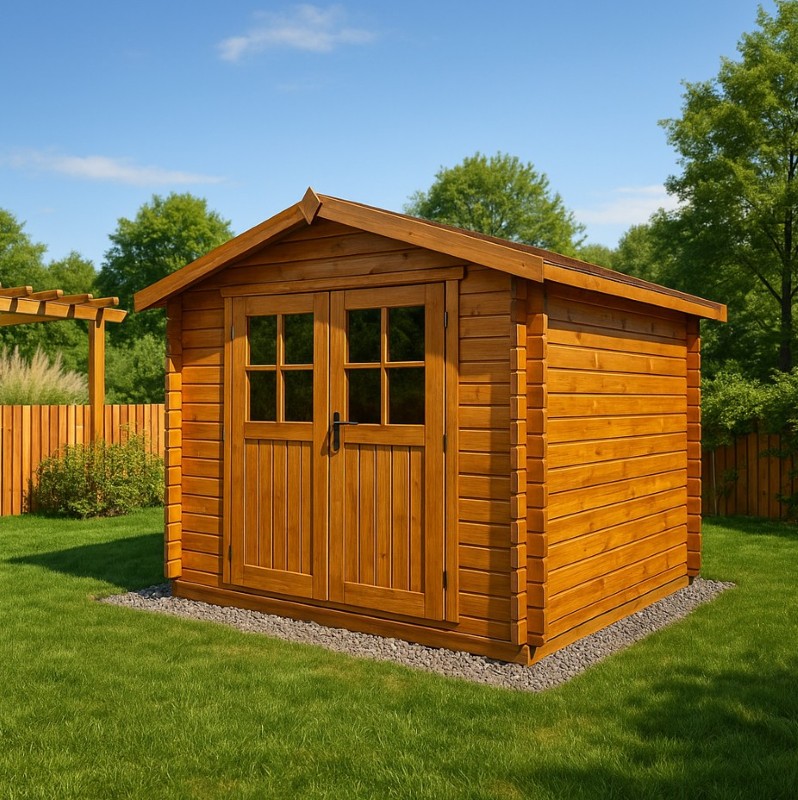
At the end of August, it’s a good idea to take a closer look at your wooden garden structures and start planning their protection for the upcoming autumn and winter months. Even though the days are still warm, the cooler evenings and higher humidity in the air are clear signs that harsher weather is on its way.
This is the perfect time to look after all timber elements in your garden – from sheds, gazebos, and pergolas to wooden fences, decking, and outdoor furniture.
Regular maintenance is key if you want your wood to stay beautiful and last for years. Even pre-treated timber requires reapplication every 2 years to maintain its protective qualities and natural charm.
Why August and September Are the Best Months for Maintenance
Ideal weather conditions – no extreme heat, yet still dry and mild.
Preparation for wetter months – applying protection now prevents damage from autumn rain and winter frost.
Ease of work – late summer is more comfortable for outdoor projects compared to cold, damp autumn days.
What to Check in Your Garden
Gazebos and shelters – inspect the roof, corners, and flooring where moisture often builds up.
Fences and gates – lower sections are usually the most exposed to rain and mud.
Garden sheds – pay attention to north-facing walls, which tend to dry more slowly.
Outdoor furniture – refresh with oil after heavy summer use.
Decking and terraces – these are exposed to water almost year-round.
What to Use for Protection?
For long-lasting results, we recommend Osmo Oil 420 Clear. This oil:
protects wood against moisture, cracking, and blue stain,
allows timber to breathe without creating a plastic-like film,
enhances the natural grain and beauty of the wood,
is easy to apply with just a brush or roller.
How to Apply Osmo Oil 420 Clear
Prepare the surface – ensure the wood is clean and dry. Sand if necessary.
Apply a thin coat with a brush or roller.
Allow around 12 hours for drying (depending on weather conditions).
Apply a second coat for extra protection, especially on elements heavily exposed to the weather.
Why Regular Treatment Matters
Aesthetic value – preserves colour and natural appearance.
Durability – prevents cracking, swelling, and weather damage.
Cost efficiency – re-oiling every 2 years costs less than replacing rotten timber.
Health of the material – reduces risk of mould, fungi, and decay.
Common Mistakes to Avoid
Applying thick layers – leads to streaks and poor absorption.
Working in direct sunlight – causes uneven drying.
Skipping surface cleaning – dirt reduces adhesion.
Forgetting corners and undersides – hidden areas are just as important as visible ones.
Year-Round Wood Care
Spring – inspect for winter damage and clean.
Summer – carry out minor touch-ups.
Autumn – reapply protection before frost.
Winter – check for snow accumulation on roofs and decks.
Conclusion
Wood is a natural and durable material – but only if properly cared for. End of August and early autumn are the most important times to give it extra protection before harsher weather arrives.
By using high-quality products like Osmo Oil 420 Clear, you can ensure your gazebos, sheds, fences, and garden furniture stay strong and beautiful for many years.
For more tips on protecting wood yourself, read our previous article. You can also explore our full range of materials and garden solutions at
Timber Merchants, Garden Buildings, and Wooden Doors.
Frequently Asked Questions
How often should I treat wooden garden structures?
On average, every 2 years. In harsher climates or heavily exposed areas, yearly maintenance may be necessary.
Can I use Osmo Oil 420 Clear on all types of wood?
Yes – it works on both softwoods (pine, spruce) and hardwoods (oak, larch).
Is DIY application possible?
Absolutely – Osmo oils are easy to apply without professional tools.
How long does it take to treat a gazebo?
A medium-sized gazebo can usually be treated in a weekend.
Does treatment protect against insects? Oils mainly guard against moisture and fungi, but healthy, sealed wood is also less attractive to pests.
Oil vs. varnish – why oils are better for outdoor wood (no peeling, easier to reapply).
Case study – a shed regularly treated for 6 years looks almost new compared to an untreated one.
Cost savings – replacing an untreated fence after 5–6 years is far more expensive than maintaining it.
Eco-friendliness – Osmo oils are based on natural plant oils, safer for the environment and users.
Protecting wooden garden structures doesn’t have to be complicated. A little care goes a long way, whether it’s sealing, staining, or regular inspections. By making wood care part of your routine, you’ll extend the life of your shed, garage, or garden house and keep your outdoor retreat looking stunning year after year. Discover our range of wooden garages, garage doors, and timber garden building to find a structure that will last for years to come.
Posted in: Article
Related posts
 Quality Wooden Garages for Safe Storage Solutions
Hand built by our team, our wooden garages come in a variety of styles, so you can easily find the best match for...
Read more Wooden Garage Doors: Stylish, Secure and Built to Last from Doors and worktops Ltd Wooden garage doors are a popular choice when building or upgrading a garage, offering a unique blend of character...
Read more Explore the Tranquility of Garden Rooms A garden room is a peaceful sanctuary and for many, a refuge from the main house, especially if you have a busy...
Read more Laminate Kitchen Worktops and Island: A Blend of Aesthetics, Durability, and Functionality In the realm of modern interior design, laminate kitchen worktops have emerged as a popular choice for homeowners and...
Read more Planning the perfect garden gazebo ideas: winter dreams, summer reality outdoor oasis As a leading supplier of bespoke timber products, Doors and Worktops Ltd takes pride in introducing a stunning...
Read more